Did you know that over 60% of small businesses fail due to a lack of financial planning?
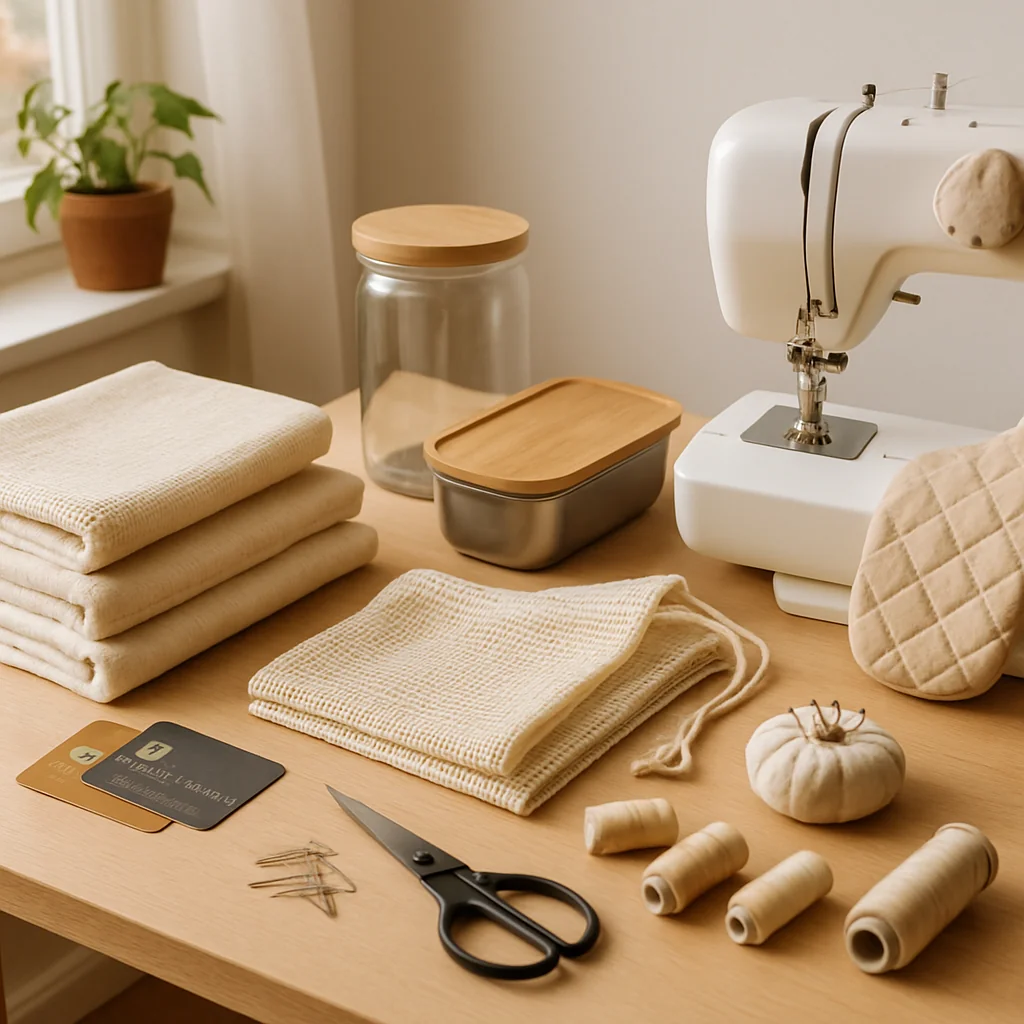
In today’s economy, launching a home-based side hustle like a zero-waste reusable kitchenware sewing and upcycling business requires more than just creativity—it demands strategic financial management.
Understanding how to effectively utilize credit cards and bank financing can be the difference between a thriving venture and a missed opportunity.
This article will guide you through step-by-step strategies to maximize rewards points, secure loans, and allocate profits into sustainable consumer goods ETFs, paving the way for everyday passive income growth.
Understanding the Role of Credit Cards in Your Zero-Waste Business
Credit cards can be a powerful financial tool for launching your home-based zero-waste kitchenware business. When used wisely, they allow you to manage expenses effectively while maximizing benefits.
For instance, utilizing a credit card with strong rewards programs can help you earn points for every dollar spent on materials and supplies.
These points can then be redeemed for future purchases, creating a cycle of savings that enhances your sustainability efforts.
When choosing the right credit card for your needs, consider cards that offer cash back or rewards specifically tailored to eco-friendly purchases.
For example, some credit cards provide additional points for buying sustainable products or from environmentally conscious retailers.
This strategy not only supports your business financially but also aligns with your zero-waste values.
Additionally, maximizing rewards points can significantly benefit your bottom line.
By monitoring your spending categories and ensuring you use the right card for each purchase, you can amplify your rewards accumulation.
For instance, if your card offers 5% back on office supplies, ensure that all your business-related purchases in that category go on that card.
In conclusion, leveraging credit cards strategically not only helps manage your financial flow but also supports the growth of your sustainable kitchenware business.
As you explore options, remember to align your financial strategies with your eco-friendly mission, making every purchase count toward your goals.
For additional insights on financing your eco-friendly endeavors, check out Credit Cards and Bank Financing for Launching Your Gourmet Mushroom Business.
Securing Bank Financing for Your Side Hustle
Securing financing is a critical step for launching your zero-waste kitchenware side hustle. Understanding the various types of loans available is essential for making informed decisions.
Common options include Small Business Administration (SBA) loans, which offer favorable terms and lower interest rates, and conventional bank loans that can provide quick capital.
Each type of loan has its own eligibility requirements, so researching these thoroughly is crucial.
Additionally, a compelling business plan is vital when approaching lenders.
This plan should clearly outline your business model, target market, and financial projections.
For instance, if you plan to offer reusable kitchenware made from sustainable materials, highlight the growing consumer demand for eco-friendly products.
Incorporate data that supports your business’s viability, such as market research indicating a 25% increase in demand for sustainable goods over the past few years.
When preparing to meet with lenders, consider these tips for success: Practice your pitch to ensure clarity and confidence, and be ready to answer questions regarding your business finances.
Presenting a well-organized financial statement can significantly enhance your credibility.
Additionally, maintaining a good personal credit score can improve your chances of securing funding.
Overall, understanding the landscape of financing options and preparing thoroughly can make a substantial difference in securing the necessary funds for your venture.
As you navigate this process, remember that each step taken will get you closer to launching your home-based zero-waste kitchenware sewing and upcycling hustle.
Maximizing Rewards Points for Sustainable Purchases
Understanding credit card rewards programs is essential for any entrepreneur looking to launch a home-based zero-waste reusable kitchenware sewing and upcycling side hustle.
These programs can significantly enhance your purchasing power while promoting sustainable practices.
Many credit cards offer rewards points that can be accumulated with every purchase.
For instance, using a card that provides 3% back on eco-friendly products can facilitate the acquisition of necessary materials for your business.
To maximize points accumulation, it is crucial to be strategic in your spending.
Focus on purchasing supplies from retailers that align with your sustainability goals.
Additionally, sign up for promotional offers that provide bonus points for certain categories, such as fabric shops or eco-friendly marketplaces.
For example, if you spend a certain amount at an eco-conscious supplier, you might earn double points.
This approach not only supports your zero-waste initiative but also increases your rewards potential.
Moreover, knowing how to redeem points for eco-friendly materials can further enhance your business’s sustainability.
Many credit card companies allow you to redeem points for gift cards at retailers specializing in sustainable goods.
This means you can directly channel your rewards into purchasing organic fabrics or biodegradable packaging for your products.
By doing so, you not only save money but also reinforce your commitment to sustainability in your side hustle.
In conclusion, by understanding and leveraging credit card rewards programs, you can make more informed decisions that benefit both your business and the environment.
This strategic approach not only maximizes your rewards but also aligns perfectly with your mission of creating a zero-waste kitchenware line.
Allocating Profits into Sustainable Consumer Goods ETFs
Investing in sustainable consumer goods ETFs is a strategic way to allocate profits from your zero-waste kitchenware hustle. These funds focus on environmentally responsible companies, allowing you to contribute positively to the planet while potentially growing your wealth.
To begin, it’s crucial to research and select the right ETFs.
Look for funds that consistently prioritize sustainability, such as those that focus on companies with strong environmental, social, and governance (ESG) practices.
Websites like Morningstar or ETF.com can provide valuable insights into performance metrics and sustainability ratings.
For example, the iShares Global Clean Energy ETF invests in companies involved in renewable energy production.
This ETF not only aligns with your zero-waste ethos but also offers the potential for significant returns as the world shifts towards greener energy solutions.
Additionally, consider the Sustainability Leaders ETF, which invests in companies that excel in sustainability across various sectors.
One significant advantage of investing in sustainable markets is the potential for long-term growth.
According to a report from MSCI, sustainable indexes have outperformed traditional indexes over the past decade.
This trend illustrates that consumers increasingly prefer brands with sustainable practices, which can enhance the profitability of companies in these ETFs.
In conclusion, allocating profits into sustainable consumer goods ETFs not only supports your values but also positions you for financial growth.
As you continue to build your zero-waste kitchenware business, consider exploring how sustainable investments can contribute to your overall financial strategy.
For further insights on financing options, check out Credit Cards and Bank Financing for Launching Your Home-Based Perfume Side Hustle.
Putting It All Together: A Step-by-Step Guide to Launching Your Zero-Waste Side Hustle
Launching your zero-waste kitchenware side hustle requires careful planning and execution. To successfully navigate this journey, follow a structured step-by-step process that combines credit card and bank financing strategies with a solid business plan.
Begin by defining your business model.
Identify the types of zero-waste products you want to sew and upcycle, such as reusable bags or kitchen accessories.
Once you have a clear vision, create a detailed budget that includes initial costs like materials, tools, and marketing.
Utilize credit cards with reward points to purchase these essentials, ensuring you maximize your benefits while spending.
Next, explore financing options.
Research local banks and credit unions that offer small business loans tailored for home-based ventures.
Prepare a robust business plan to present to lenders, highlighting your unique value proposition and potential for growth.
For instance, if you can demonstrate a projected sales increase of 30% in the first year, it could significantly bolster your loan application.
Once your business is up and running, focus on reinvesting profits into sustainable consumer goods ETFs.
This strategy not only supports your financial growth but also aligns with your mission of sustainability.
By consistently allocating a portion of your earnings, you can create a passive income stream while promoting responsible consumer practices.
In conclusion, integrating these strategies will lay a strong foundation for your zero-waste side hustle.
By carefully planning, utilizing credit wisely, and reinvesting profits, you can pave the way for long-term success.
For further insights on financing options, consider checking out this guide on launching other home-based businesses.
Conclusion
Throughout this article, we have uncovered the intricate relationship between credit cards and bank financing as essential tools for launching a home-based zero-waste reusable kitchenware sewing and upcycling side hustle.
Now, you are equipped with actionable strategies to maximize rewards points, secure loans, and effectively allocate profits into sustainable consumer goods ETFs, paving the way for everyday passive income growth.
It’s time to take action: start by applying for a credit card that aligns with your business goals today.
Imagine the satisfaction of running a successful eco-friendly business while contributing to a sustainable future!