Loans play an important role in modern financial life. They allow people to achieve goals that might otherwise take years to reach.
Whether you are consolidating debt, buying a car, or investing in education, understanding loan types is essential. Each option serves a different purpose and comes with specific conditions.
Knowing how personal, auto, and student loans work helps you make informed decisions and avoid unnecessary financial strain.
Understanding the Basics of Loans
A loan is a sum of money borrowed from a lender that must be repaid over time. Repayment usually includes interest and follows agreed terms.
Loans differ in purpose, interest rates, repayment periods, and eligibility requirements. These differences affect both short-term affordability and long-term financial health.
Choosing the right loan is not about borrowing more, but about borrowing smarter.
What Is a Personal Loan?
A personal loan is a flexible form of borrowing that can be used for various purposes. It does not require you to specify how the money will be spent.
People often use personal loans for debt consolidation, medical expenses, home improvements, or unexpected costs.
Because they are unsecured, personal loans usually have higher interest rates than loans backed by collateral.
Key Features of Personal Loans
Personal loans typically offer fixed interest rates and fixed monthly payments. This makes budgeting more predictable.
Loan terms often range from one to five years, depending on the lender and the borrower’s credit profile.
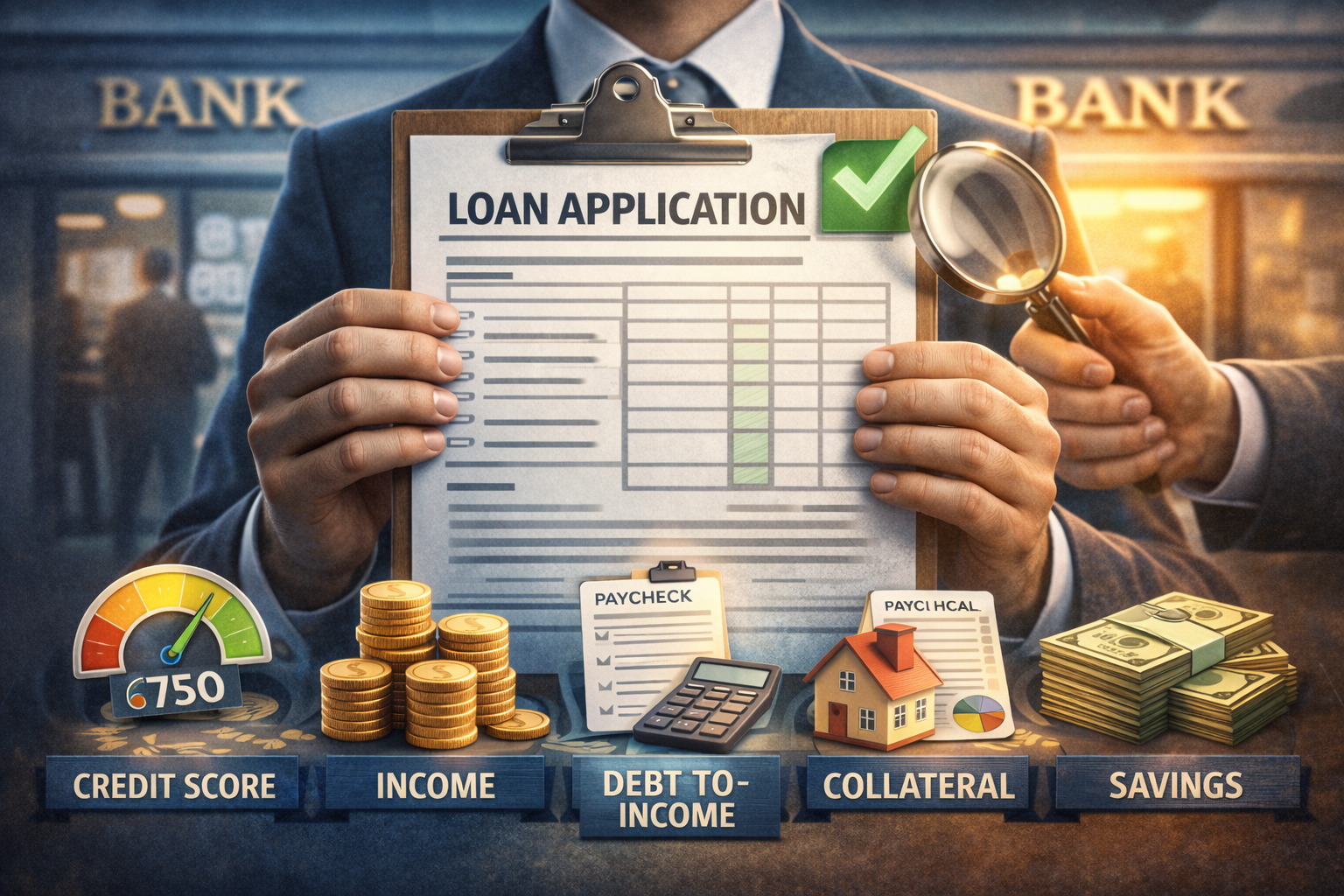
Approval is largely based on credit score, income, and overall financial stability.
When a Personal Loan Makes Sense
Personal loans are useful when you need quick access to funds and want repayment clarity. They work well for short- to medium-term financial needs.
They are not ideal for long-term financing due to higher interest rates. Using them responsibly is key to avoiding debt cycles.
A personal loan should solve a problem, not create a new one.
What Is an Auto Loan?
An auto loan is designed specifically for purchasing vehicles. The car itself serves as collateral for the loan.
Because the lender can repossess the vehicle if payments stop, auto loans usually have lower interest rates than personal loans.
These loans are commonly used for new or used cars, and sometimes for motorcycles or trucks.
Key Features of Auto Loans
Auto loans typically have fixed interest rates and monthly payments. Loan terms often range from three to seven years.
Interest rates depend on factors such as credit score, loan term, and whether the car is new or used.
Longer terms lower monthly payments but increase total interest paid over time.
When an Auto Loan Makes Sense
Auto loans are ideal when you need reliable transportation and prefer predictable payments. They allow you to spread the cost over time.
However, borrowing more than the car’s value or choosing long terms can lead to negative equity.
A smart auto loan balances affordability with minimizing long-term cost.
What Is a Student Loan?
Student loans are designed to help cover education-related expenses. These may include tuition, books, housing, and other academic costs.
They can come from government programs or private lenders. Each option has different rules and benefits.
Student loans often offer lower interest rates compared to other loan types, especially government-backed ones.
Key Features of Student Loans
Many student loans allow deferred payments while you are in school. This reduces immediate financial pressure.
Repayment terms are usually long, often spanning ten years or more. Some plans adjust payments based on income.
Interest rates and protections vary widely between federal and private student loans.
When a Student Loan Makes Sense
Student loans are most effective when used for education that improves long-term earning potential.
They should be borrowed carefully, with a clear understanding of future repayment obligations.
Education is an investment, but like any investment, it should be evaluated realistically.
Comparing the Three Loan Types
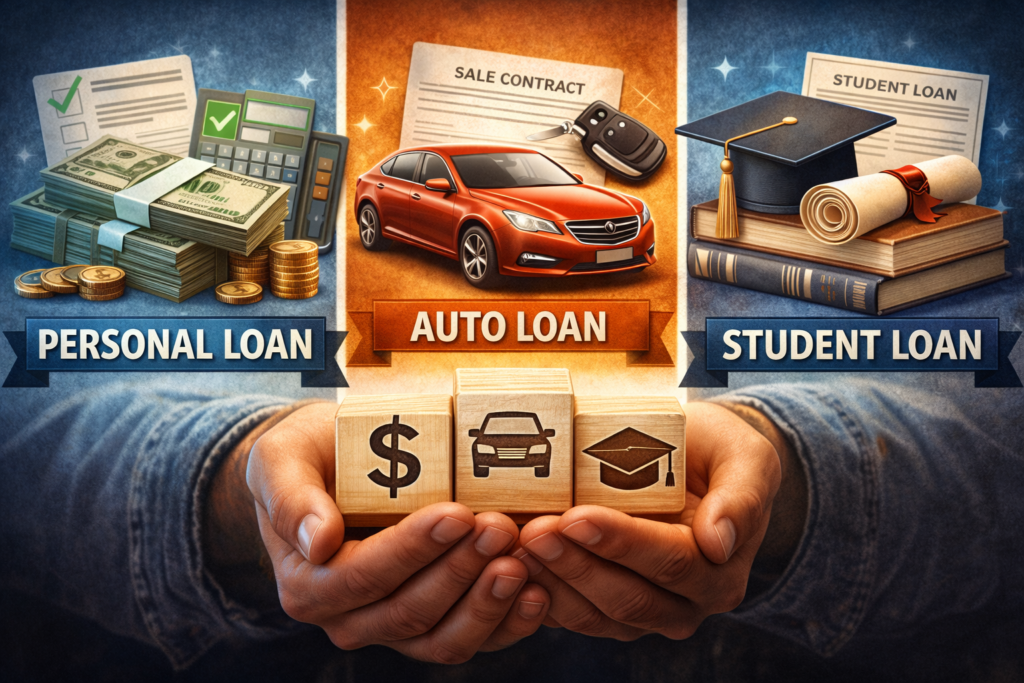
Each loan type serves a specific financial goal. Personal loans offer flexibility, auto loans support transportation needs, and student loans fund education.
Interest rates vary significantly, with student and auto loans generally being cheaper than personal loans.
The right choice depends on purpose, repayment ability, and financial priorities.
Risks and Responsibilities of Borrowing
All loans come with responsibility. Borrowing without a clear plan increases financial stress.
Missed payments can damage credit scores and limit future borrowing options. In severe cases, assets may be lost.
Understanding the terms before signing is not optional. It is essential.
How to Choose the Right Loan
Start by defining your goal clearly. Borrow only what is necessary and affordable.
Compare interest rates, fees, and repayment terms from multiple lenders. Small differences can have large impacts over time.
Reading the fine print protects you from surprises later.
Long-Term Financial Impact
Loans influence your budget for years, sometimes decades. Monthly payments reduce disposable income.
When managed well, loans can support growth and stability. When mismanaged, they create long-term obstacles.
The key is alignment between the loan and your financial reality.
Conclusion
Personal, auto, and student loans each serve distinct purposes and should be used thoughtfully.
Understanding how they work empowers you to borrow with confidence and control.
A loan is a tool, not a solution by itself. When chosen wisely and managed responsibly, it can help you move forward without compromising your financial future.