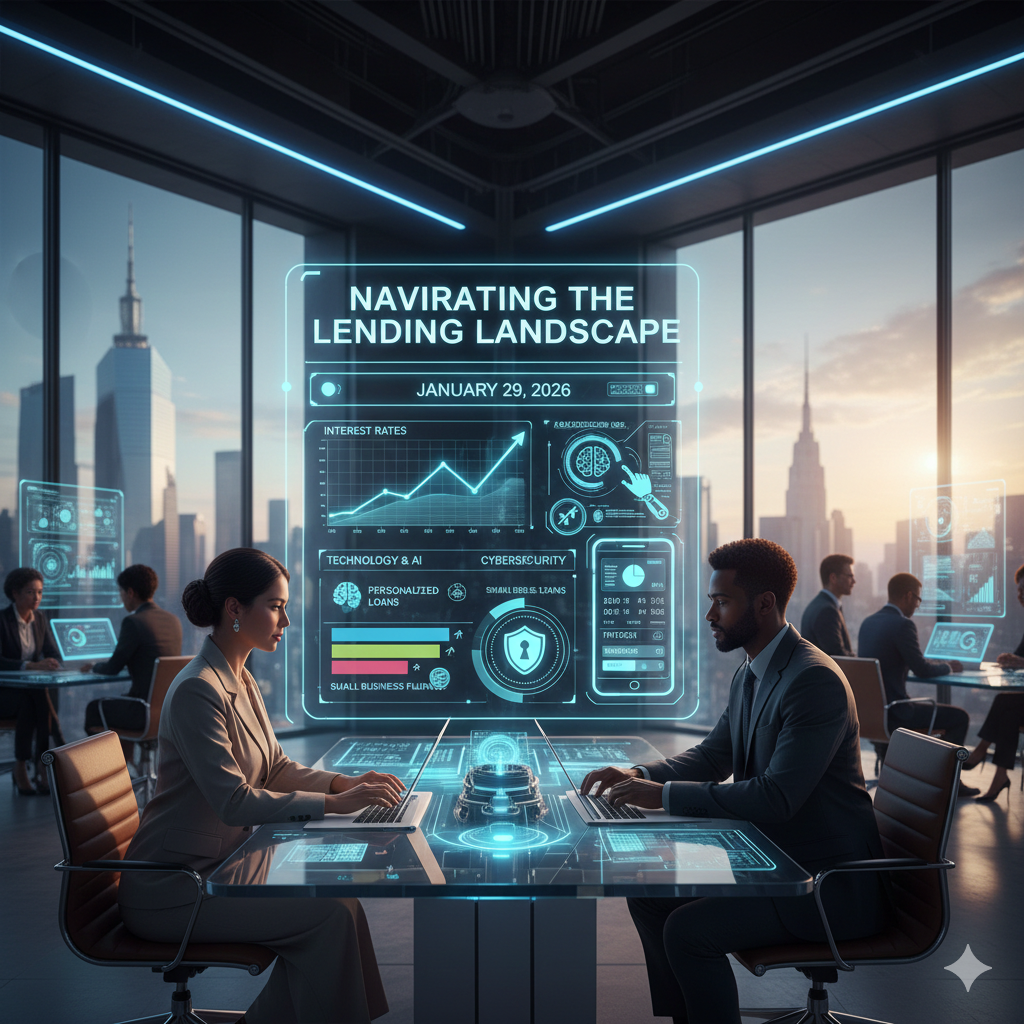
As we move further into 2026, the world of personal and business finance continues to evolve, shaped by global economic trends, technological advancements, and shifting consumer behaviors. Whether you’re planning a major purchase, looking to consolidate debt, or seeking capital for a new venture, understanding the key trends in the lending landscape for the year ahead is crucial.
One of the most significant factors influencing loans in 2026 is the interest rate environment. After a period of flux, central banks globally are likely to have settled into a more predictable pattern, but localized economic performance will dictate nuances. Borrowers should expect interest rates to reflect the general health of their national economies, with a continued emphasis on managing inflation while supporting growth. Keeping an eye on inflation reports and central bank announcements will be key to predicting the best time to borrow.
Technological integration continues to revolutionize the loan application and approval process. Digital lenders, fintech platforms, and traditional banks alike are leveraging Artificial Intelligence (AI) and Machine Learning (ML) to streamline applications, assess creditworthiness more accurately, and offer personalized loan products. This means faster approvals, often within minutes for personal loans, and a more tailored experience based on individual financial profiles. Expect sophisticated algorithms to analyze not just credit scores but also spending habits, savings patterns, and even alternative data points (with appropriate consent) to provide a holistic view of a borrower’s financial health.
Personalization and flexibility are increasingly becoming hallmarks of the 2026 lending market. Gone are the days of one-size-fits-all loan products. Lenders are now offering a wider array of options, including customizable repayment schedules, variable interest rates that can adjust to market conditions, and specialized loans for specific purposes (e.g., green loans for eco-friendly initiatives, education loans with deferred payment options). Borrowers should actively seek out lenders who offer terms that genuinely match their financial situation and future goals.
For small businesses and startups, securing capital in 2026 may see continued diversification beyond traditional bank loans. Venture capital, angel investors, crowdfunding platforms, and government-backed loan programs will remain vital sources of funding. However, the application of AI in assessing business plans and market potential will make the process more data-driven, potentially favoring businesses with clear growth strategies and solid financial projections. Emphasis will also be placed on businesses with a strong digital presence and sustainable practices.
Cybersecurity and data privacy remain paramount concerns. As more personal and financial information is shared digitally, lenders are investing heavily in robust security measures. Borrowers should always ensure they are dealing with reputable lenders and be vigilant about protecting their personal data. Look for clear privacy policies and secure online portals.
Finally, financial literacy is more important than ever. With a wider range of loan products and complex terms, understanding the implications of borrowing, including total cost, repayment obligations, and potential risks, is crucial. Utilize online resources, financial advisors, and the transparent information provided by lenders to make informed decisions.
In conclusion, 2026 promises a dynamic lending environment characterized by technological efficiency, personalized offerings, and a continued focus on responsible borrowing. By staying informed and leveraging available resources, both individuals and businesses can confidently navigate the loan landscape to achieve their financial aspirations.