Did you know that over 40% of Americans are considering side hustles to boost their income?
This statistic highlights a growing trend where individuals are seeking new avenues to achieve financial stability.
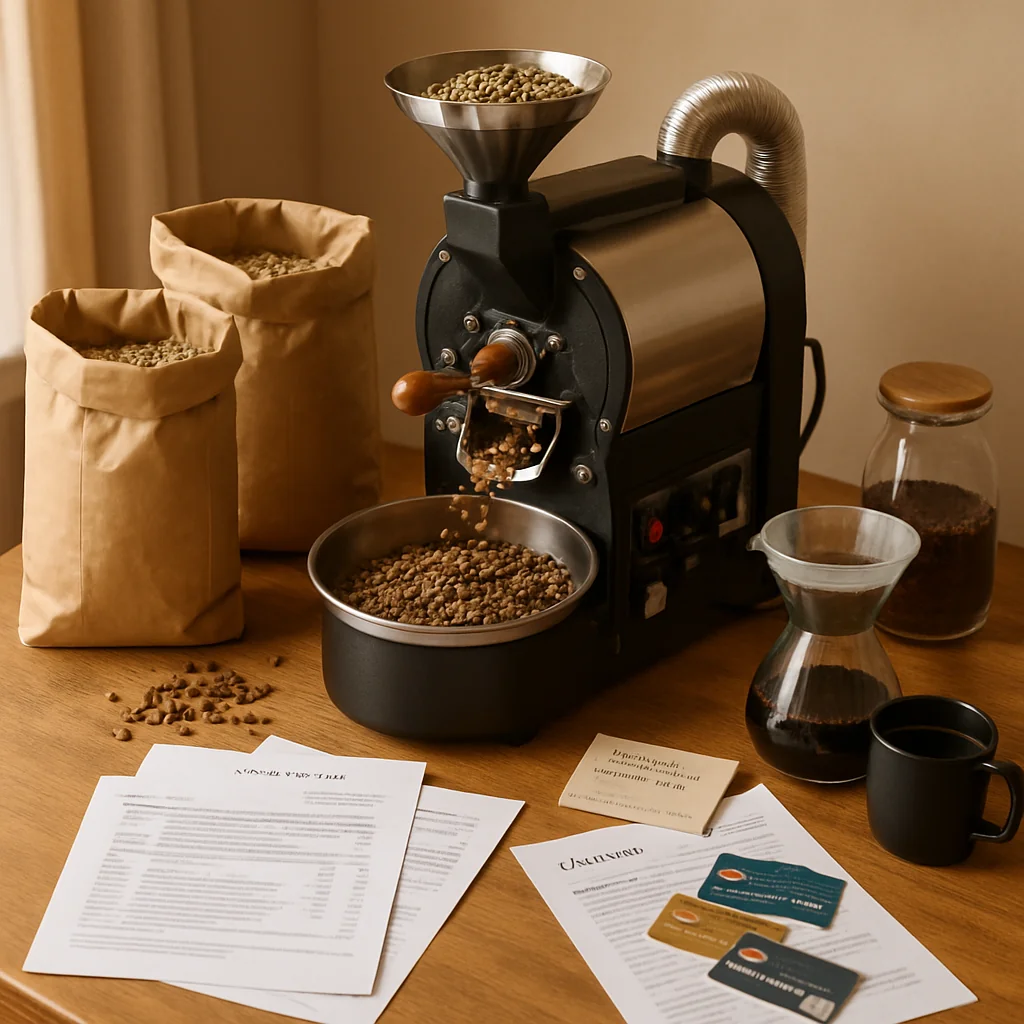
In this article, we will explore how credit cards and banks can empower you to earn side income through the art of home-based specialty coffee roasting.
We will compare various financing strategies and investment tactics that can help you build personal wealth through direct-to-consumer sales and optimize your debt for better financial health.
Understanding Specialty Coffee Roasting as a Side Income
Specialty coffee roasting has emerged as a lucrative opportunity for individuals seeking to generate side income. This process involves carefully selecting high-quality beans, roasting them to perfection, and then selling the final product directly to consumers.
One of the most significant benefits of starting a coffee roasting business from home is the low initial investment.
With just a small roaster and a few tools, anyone can begin their journey into the specialty coffee world.
For instance, a home roaster can start with a budget of around $300 for equipment and supplies.
As demand grows, entrepreneurs can reinvest their profits to upgrade their roasting equipment and expand their offerings.
Moreover, the market for specialty coffee is growing rapidly.
According to the National Coffee Association, specialty coffee consumption has increased by 20% in the past five years.
This trend indicates a shift in consumer preferences towards high-quality, unique coffee experiences.
As a result, coffee enthusiasts can capitalize on this trend by creating distinctive blends and flavors tailored to their customer base.
In conclusion, understanding the fundamentals of specialty coffee roasting not only opens doors to a rewarding side income but also aligns with the growing market trends.
For those interested in exploring financial strategies for other side hustles, consider looking into Credit Cards and Banks for Home Gardening as a potential income avenue.
Financing Strategies for Coffee Roasting Businesses
Starting a home-based specialty coffee roasting business requires careful consideration of financing options. Each option has its unique advantages and potential drawbacks, making it essential to choose wisely based on individual circumstances.
One common financing avenue is personal savings.
Utilizing your savings can minimize debt and interest payments, allowing you to reinvest profits back into your coffee roasting venture.
For instance, if you have $5,000 saved up, you could use this capital to purchase high-quality green coffee beans and essential roasting equipment without incurring debt.
This strategy not only preserves your credit score but also fosters a sense of ownership and commitment to your business.
Another popular option is using credit cards.
While they can offer quick access to funds for initial inventory purchases, it’s crucial to manage them wisely.
For example, if you use a credit card with a 0% introductory APR to buy your roasting equipment, you have the opportunity to pay off the balance before interest accrues.
This can be an effective way to manage cash flow while building your credit history.
Moreover, bank loans can provide substantial capital for scaling your operations.
These loans are often beneficial for expanding your business, allowing you to invest in marketing, additional equipment, or even a retail space.
For instance, a small business loan of $50,000 could enable you to purchase larger roasting machines and automate your processes, ultimately increasing output and profitability.
In conclusion, selecting the right financing strategy is pivotal for success in the coffee roasting industry.
By weighing the benefits of personal savings, credit cards, and bank loans, enthusiasts can effectively build their business and create a sustainable income stream.
For more insights on similar financing strategies, check out our article on Credit Cards and Banks for Home Gardening.
Investment Tactics for Building Personal Wealth
Understanding the nuances of investment in specialty coffee roasting is crucial for anyone looking to build personal wealth.
By carefully analyzing the return on investment (ROI), enthusiasts can make informed decisions on where to allocate resources.
For instance, a small batch roaster might find that investing in high-quality green beans yields a significantly higher profit margin than cheaper alternatives.
This highlights the importance of quality over quantity in specialty coffee.
Once profits begin to accumulate, reinvesting them back into the business can facilitate growth.
This could involve upgrading roasting equipment, which not only enhances efficiency but can also improve the flavor profile of the coffee.
Additionally, utilizing credit cards with rewards or cash back offers can help finance these upgrades while also earning benefits that contribute to overall savings.
Moreover, diversifying income streams through direct-to-consumer sales can significantly enhance financial stability.
Selling coffee subscriptions or hosting roasting classes can attract a wider audience.
For example, a roaster who offers virtual workshops can tap into a global market, expanding their brand presence.
This strategy not only generates additional income but also builds customer loyalty, as consumers develop a personal connection with the brand.
In summary, the combination of understanding ROI, reinvesting profits, and diversifying income streams creates a robust framework for building wealth through specialty coffee roasting.
As enthusiasts explore these tactics, they can align their financial strategies with their passion, leading to sustainable growth and success in the niche market of specialty coffee.
Direct-to-Consumer Sales in the Coffee Industry
Direct-to-consumer (DTC) sales have revolutionized the coffee industry. By cutting out the middleman, coffee roasters can connect directly with their customers, leading to increased profit margins and personalized customer experiences.
One of the primary benefits of DTC sales is the potential for higher profits.
Traditional retail often involves significant markups, which can eat into the roaster’s earnings.
In contrast, when selling directly to consumers, roasters can set their prices, allowing for better control over their profit margins.
For example, a small batch roaster who sells their coffee for $15 per bag online retains a larger share of that revenue compared to selling through a retailer that might take a 30% cut.
Moreover, effective marketing strategies are crucial for success in the DTC space.
Utilizing social media platforms like Instagram and Facebook allows coffee roasters to showcase their products visually, engaging customers with stunning images and storytelling about their sourcing and roasting processes.
Building a community around their brand fosters loyalty and encourages repeat purchases.
For instance, launching a subscription service can create a steady income stream while providing customers with fresh coffee regularly.
Ultimately, the shift toward DTC sales in the coffee industry not only enhances profitability but also strengthens customer relationships.
As more coffee enthusiasts seek unique, high-quality products, embracing this model can position roasters for long-term success.
This approach aligns perfectly with the need for innovative financing strategies, as discussed in Credit Cards and Banks in Wearable Health Monitor Entrepreneurship.
Debt Optimization Techniques for Coffee Entrepreneurs
Understanding the impact of debt on business growth is crucial for any coffee entrepreneur looking to scale their home-based specialty coffee roasting business.
While debt can be a powerful tool for funding growth, mismanagement can lead to serious financial trouble.
Therefore, knowing how to optimize debt is essential.
For instance, using a credit card with a low interest rate for initial purchases can help you manage cash flow effectively.
Moreover, strategies for managing credit card debt effectively are vital to maintaining a healthy financial status.
One effective strategy is to pay off high-interest debt first, which can save you money in the long run.
Additionally, consider setting up automatic payments to avoid late fees, which can add up quickly.
For example, if you have multiple credit cards, focus on the one with the highest interest rate while making minimum payments on others.
This method helps reduce the overall debt burden.
Furthermore, the benefits of consolidating loans for better interest rates cannot be overstated.
By consolidating high-interest debts into a single lower-interest loan, you can simplify your payments and potentially lower your monthly expenses.
This strategy not only makes budgeting easier but also allows you to redirect savings toward expanding your coffee roasting operations.
Ultimately, these debt optimization techniques are essential for building personal wealth through direct-to-consumer sales.
Conclusion
Throughout this article, we’ve delved into the essential aspects of leveraging credit cards and banks as a foundation for side income through home-based specialty coffee roasting.
You are now equipped with actionable insights and financing strategies that can significantly enhance your personal wealth while optimizing your investment tactics in the coffee market.
The time to act is now: begin implementing these strategies today to transform your passion for coffee into a lucrative venture.
Embrace the possibilities that lie ahead, and watch as your entrepreneurial dreams brew into reality!