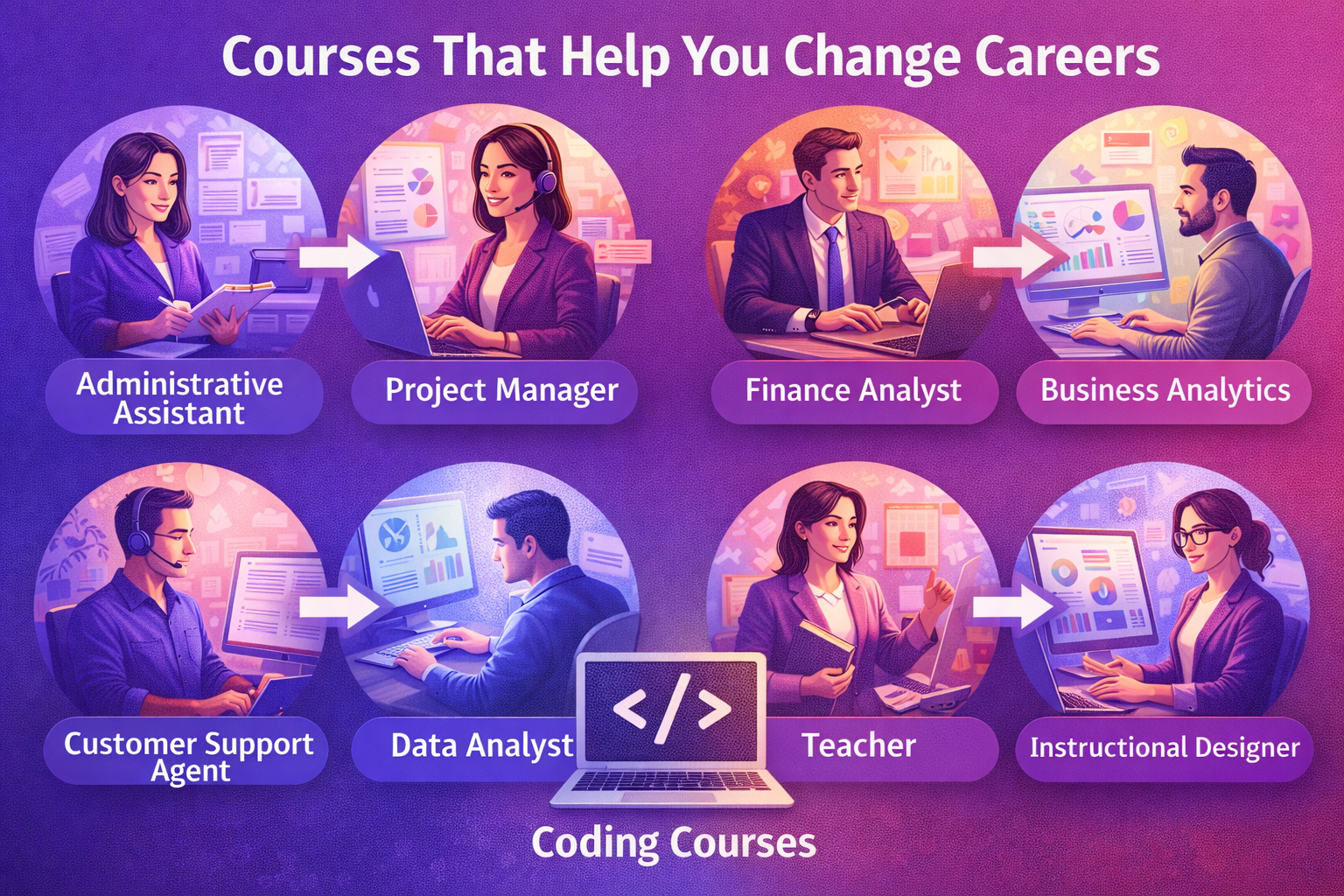
Online learning has never been more accessible. Today, anyone with an internet connection can find courses on almost any subject, often at no cost.
At the same time, paid courses continue to grow in popularity, promising deeper knowledge, certifications, and career opportunities.
This raises an important question for learners at all levels: what is the real difference between free and paid courses, and which option is right for you?
Accessibility and First Contact With a Topic
Free courses are often the easiest way to get started. They allow learners to explore a subject without financial commitment.
This accessibility is especially valuable for beginners who are unsure if they want to pursue a topic long-term. Free courses reduce risk and remove pressure.
They are ideal for testing interests, learning basic concepts, or gaining general knowledge at your own pace.
Depth and Structure of the Content
One of the main differences lies in content depth. Free courses usually focus on introductory material and broad overviews.
Paid courses tend to offer a more structured learning path. Lessons are often organized to build knowledge progressively and logically.
This structure helps learners move from theory to application, making paid courses more suitable for skill development and specialization.
Quality and Consistency of Instruction
Free courses can vary widely in quality. Some are excellent, while others may be outdated or incomplete.
Paid courses usually involve a higher level of planning, editing, and instructional design. Instructors are often incentivized to maintain quality.
While free content can be valuable, paid courses are more likely to provide consistent explanations, updated material, and clear learning objectives.
Instructor Support and Interaction
Most free courses offer little to no direct interaction with instructors. Learners are expected to work independently.
Paid courses often include access to instructors, mentors, or teaching assistants. This support can be crucial when facing complex topics.
Being able to ask questions and receive feedback significantly improves understanding and retention.
Certifications and Career Value
Certificates from free courses may demonstrate initiative, but they are not always recognized by employers.
Paid courses often provide formal certificates or credentials. Some are developed in partnership with institutions or industry professionals.
For those looking to advance their careers, paid certifications can add credibility and strengthen a resume when chosen carefully.
Motivation and Commitment Levels
When a course is free, it is easier to abandon it. There is little consequence if motivation drops.
Paying for a course creates a sense of commitment. Learners are more likely to complete lessons and stay engaged.
This psychological factor should not be underestimated. Commitment often leads to better outcomes and deeper learning.
Learning Resources and Extras
Free courses typically offer limited resources, such as videos or basic reading materials.
Paid courses often include additional tools like downloadable materials, exercises, quizzes, and practical projects.
These extras help reinforce learning and allow students to apply knowledge in real-world scenarios.
Flexibility and Learning Pace
Both free and paid courses usually offer flexible schedules. However, paid courses may include deadlines or guided timelines.
This structure can be helpful for learners who struggle with self-discipline. It provides accountability without removing flexibility.
Free courses are better suited for learners who prefer total independence and self-paced exploration.
Cost Versus Value
The biggest distinction is cost, but cost alone should not define the decision. Free courses cost nothing, but may also offer limited returns.
Paid courses require investment, but the value depends on content quality, relevance, and application.
The real question is whether the course helps you reach your goals faster or more effectively.
Choosing What Fits Your Goals
There is no universal answer. The best choice depends on what you want to achieve.
If your goal is curiosity, experimentation, or basic understanding, free courses are often enough.
If you seek professional growth, practical skills, or career advancement, a well-chosen paid course may offer better results.
Conclusion
Free and paid courses serve different purposes, and neither option is inherently better.
Free courses open doors and make learning accessible. Paid courses provide depth, support, and structured growth.
Understanding the real difference helps you make informed decisions and invest your time wisely. When learning aligns with your goals, both free and paid options can become powerful tools for personal and professional development.